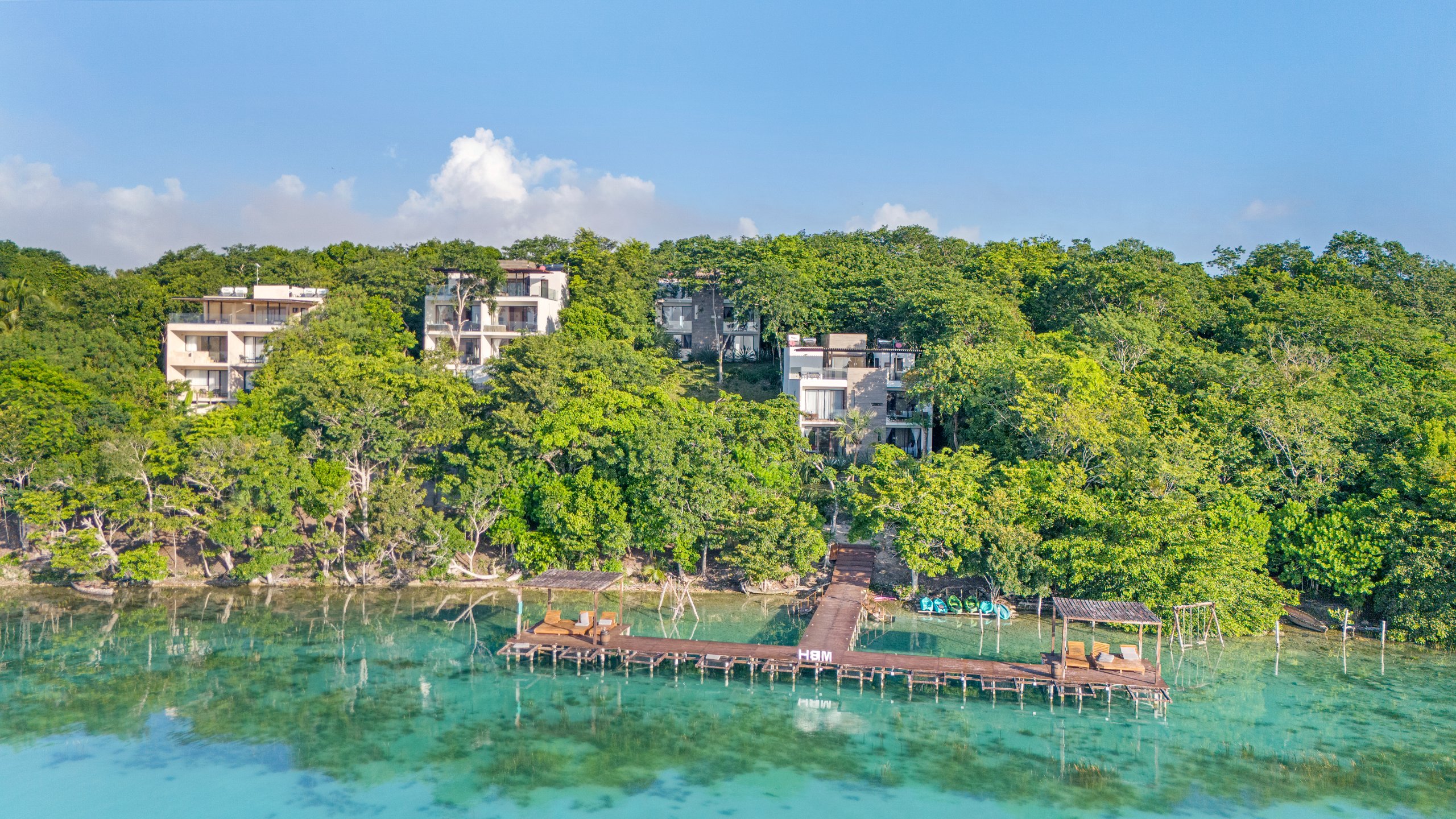
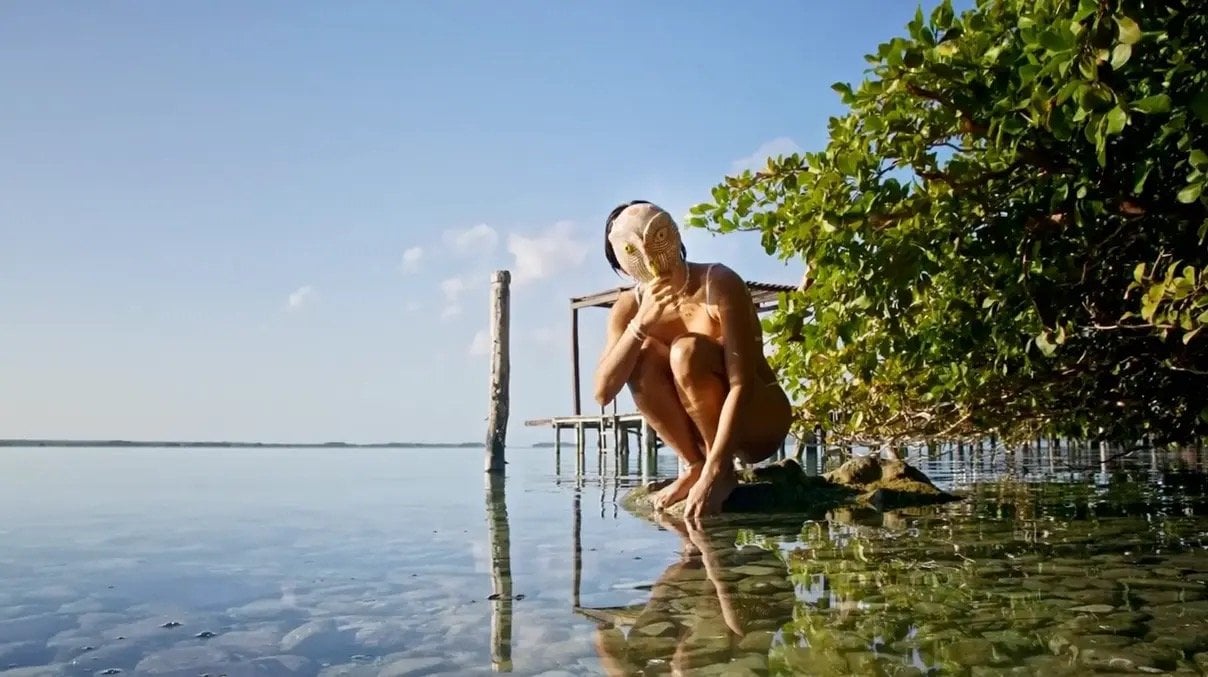
Short notes about the place, the people, the mornings. Written slowly, read slowly.
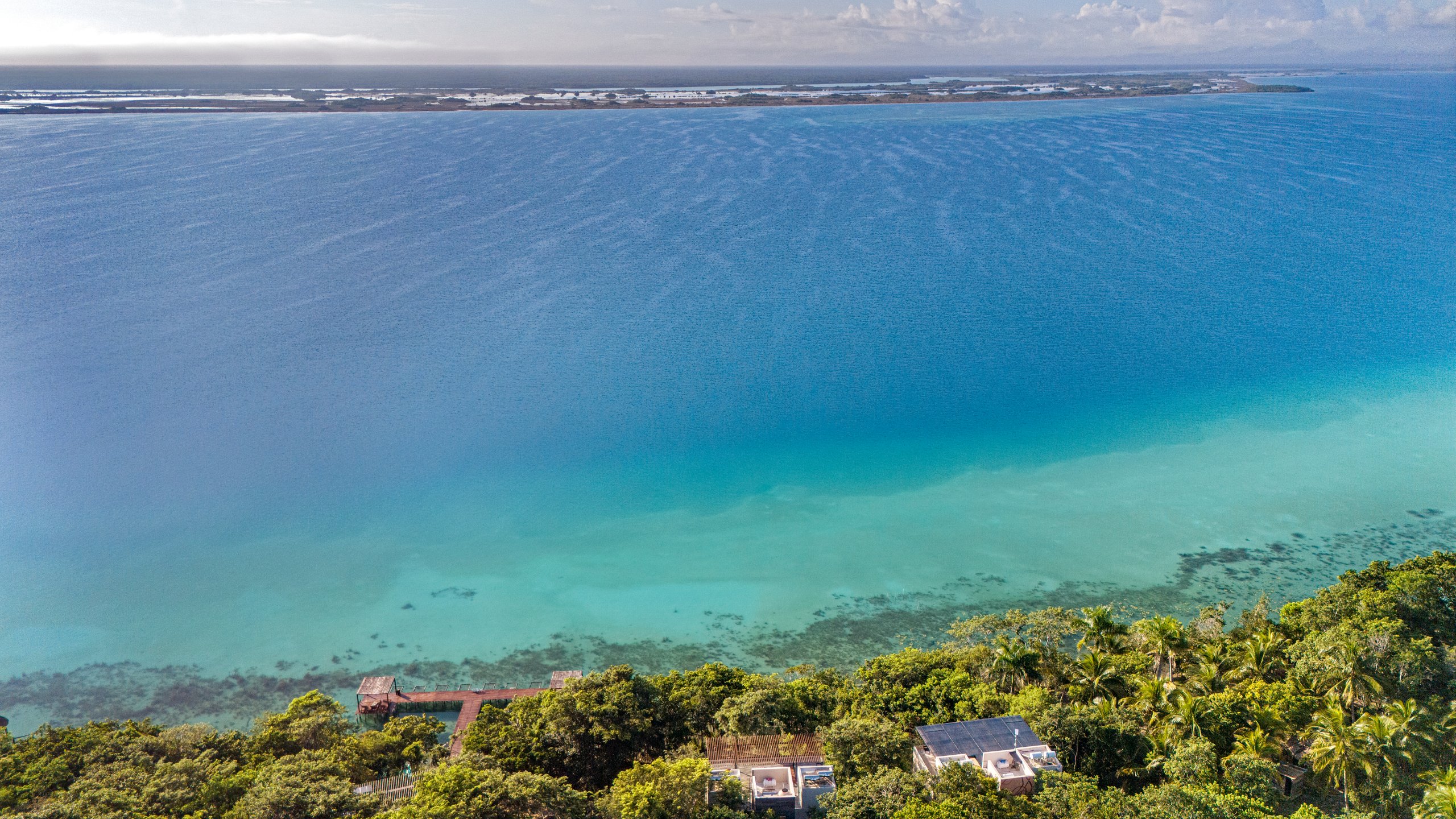
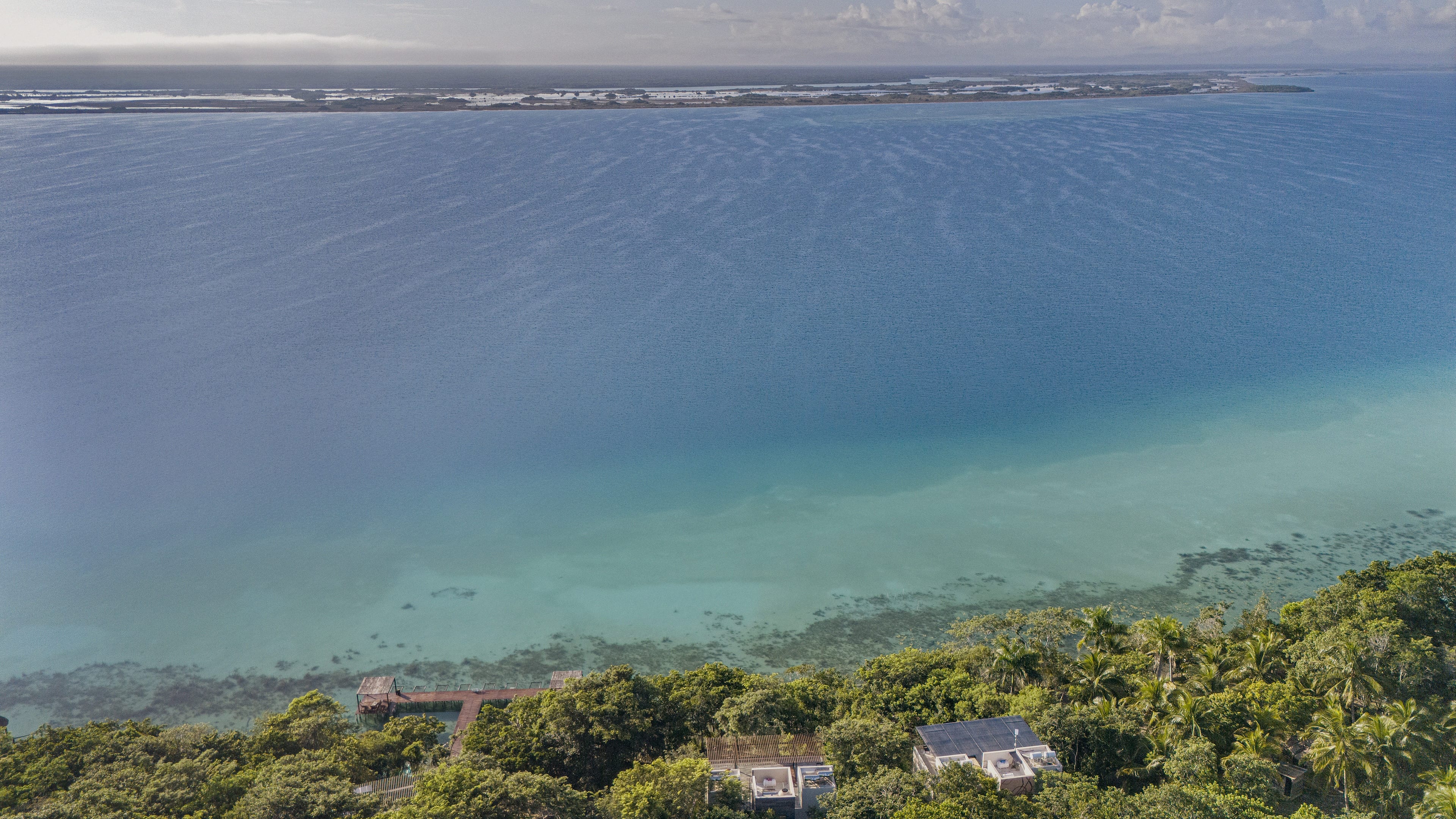
Not seven, strictly. But at midday, from the dock or a kayak, the water shifts shade in a short distance — and nobody corrected the number.
Pale, rounded, just below the surface near the south shore. Among the oldest living things on the planet, and the reason the lagoon is protected.
They appear in early summer, in the hour after dusk. No guide, no flashlight — just standing still.
Warm most of the year. The real variables are the rainy season, the high-season crowds, and a few quiet weeks in between.
Chetumal is closest. Cancún is busier. Tulum is newer. All three work — the difference is drive time.
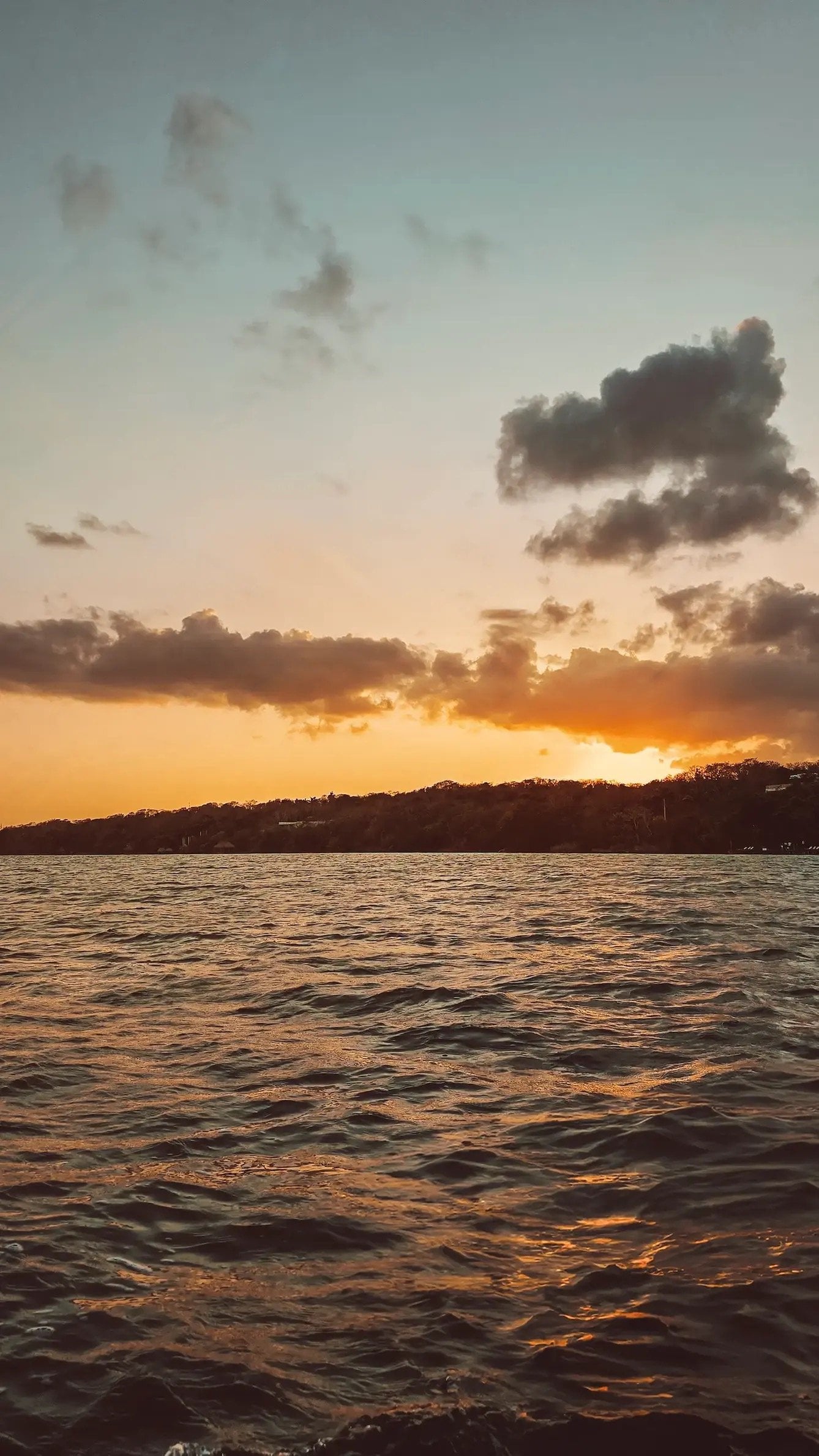
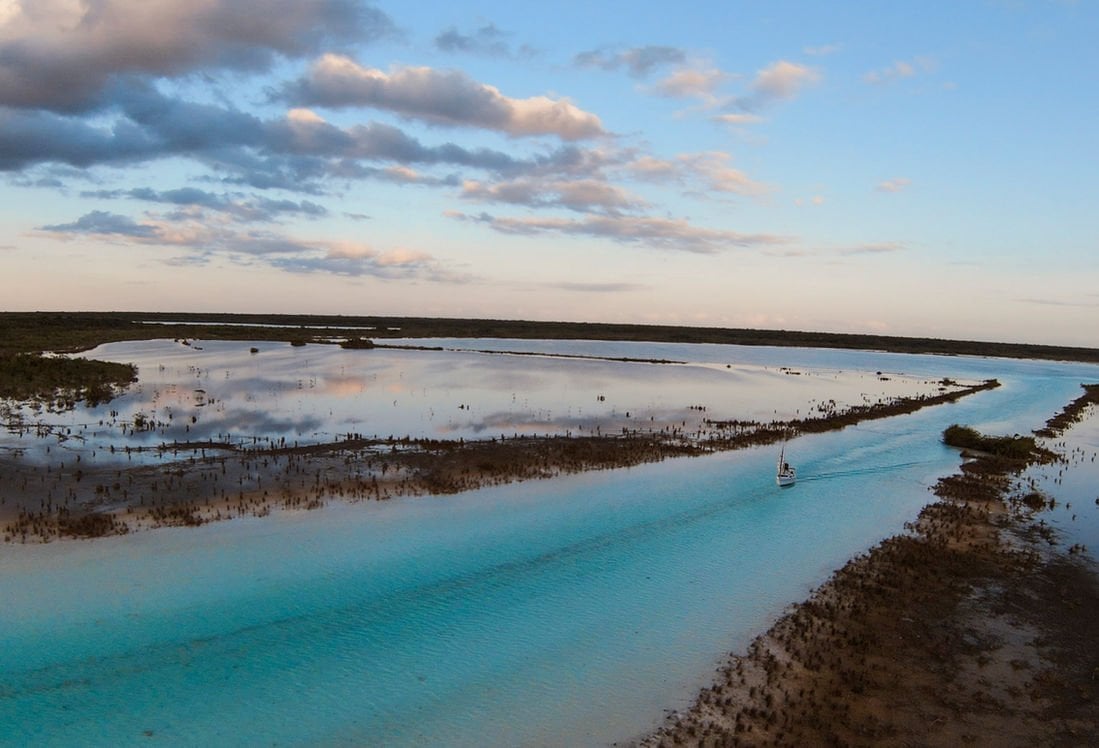
A kayak at dawn, a sailboat if the weather holds, the pirate fort at sunset. We'd skip the big tourist boats.
One of the quieter corners of Quintana Roo. A few normal precautions, mostly around roads and weather. The lagoon itself is calm.
Tulum is faster, more social, more designed. Bacalar is slower, quieter, a pace that takes a day to settle into.
The best time for a kayak is before breakfast, when no one has woken up yet and the lagoon hasn't started conversing.
Xant-Ha at the hotel, and a handful in town. Not secrets — just the ones we keep recommending.
Why we didn't build one large building, and why we'll keep twenty-four rooms and no more.
The rooms are named after Maya day signs from the Tzolkin — the 260-day ceremonial calendar. A short note on what each one means.
Before the buildings went up, we had the land surveyed for trees. Not for lumber — for what not to cut.
A short guide to what you'll actually use and what you'll leave in the suitcase. Written for first-time guests.
The Xant-Ha menu changes twice a year. Not a seasonal gimmick — just what's available from the farms and the coast.